header_image.png.png

What is Green Steel?

The steel industry is a crucial factor in the global economy. Steel is found in almost every aspect of our daily lives, from buildings and bridges to vehicles and electronics. But traditional steel and metal production is often accompanied by significant greenhouse gas emissions and consumption of natural resources. 

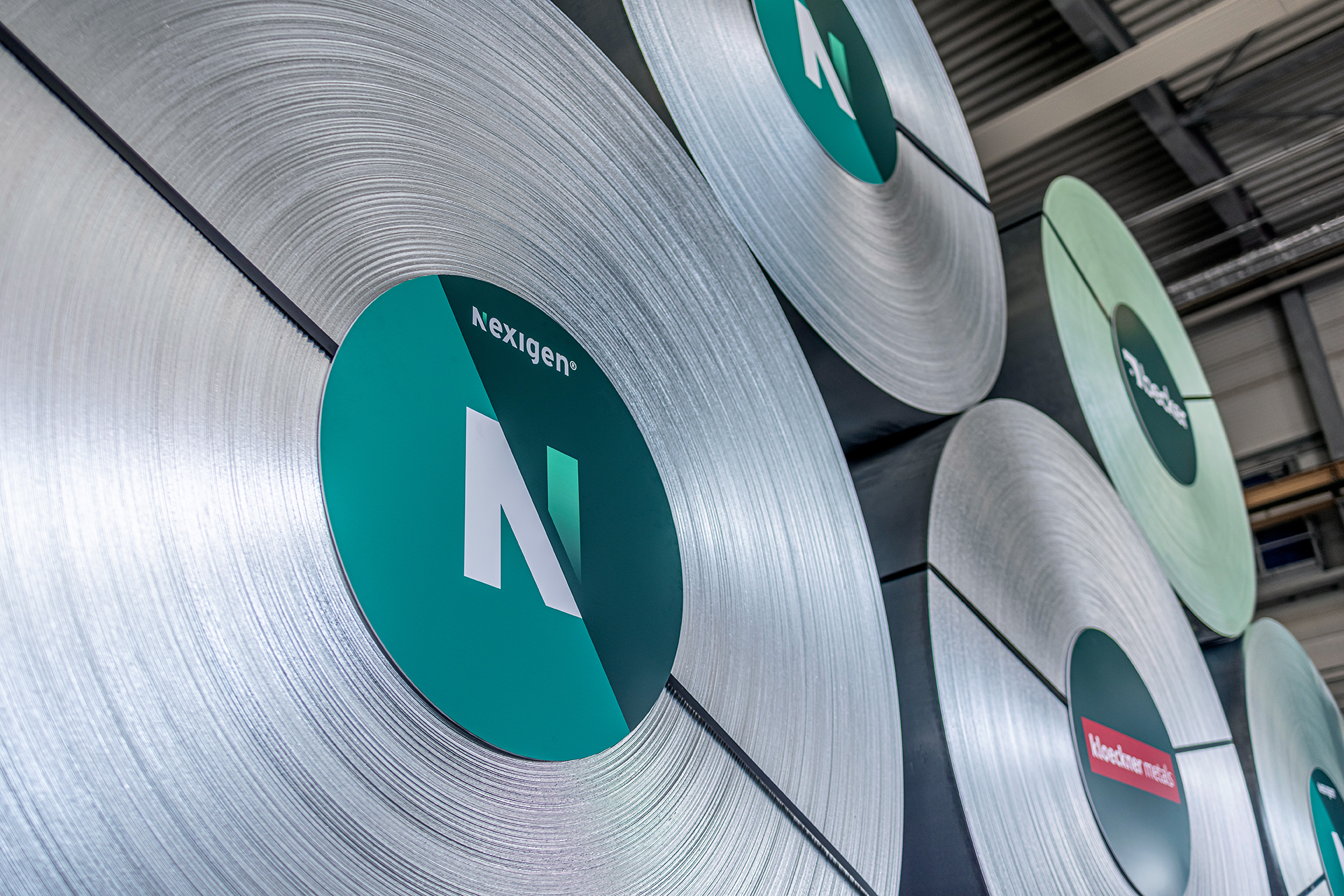
As part of the global effort to decarbonize industry, the term green steel has a key role to play. Green steel is representative of the sustainable transformation of the steel industry, which aims to drastically reduce the environmental impact of traditional steel production. 
becker_pressetermin_nexigen-4248_ret_lowres.jpg.jpg

This is because the benefits of green steel are many: it helps reduce the environmental impact of the steel industry, supports efforts to combat climate change, and provides high-quality materials for construction, transportation, renewable energy and other key industries. 

The development of green steel is a significant step toward a sustainable and greener future. It shows that it is possible to produce high-quality products without harming the environment. Green steel is more than just a technological advance; it is one of the success factors for building low-emission or zero-emission value chains and decarbonizing our economy.

How is steel produced?

When it comes to steel production, most people think of blast furnaces. In this energy-intensive process, pig iron is produced in the blast furnace and then further processed into crude steel by adding oxygen. Alternatively, steel can be produced in an electric arc furnace. In this process, recycled steel scrap or sponge iron obtained from iron ore is melted down into crude steel.

Compared to the conventional blast furnace route, the electric arc furnace produces up to 80% less carbon dioxide. However, as this process also generates emissions, there are growing calls for steel with even lower CO2 emissions, produced using renewable energies and green hydrogen.

From gray steel to green steel – the three most important routes in steel production

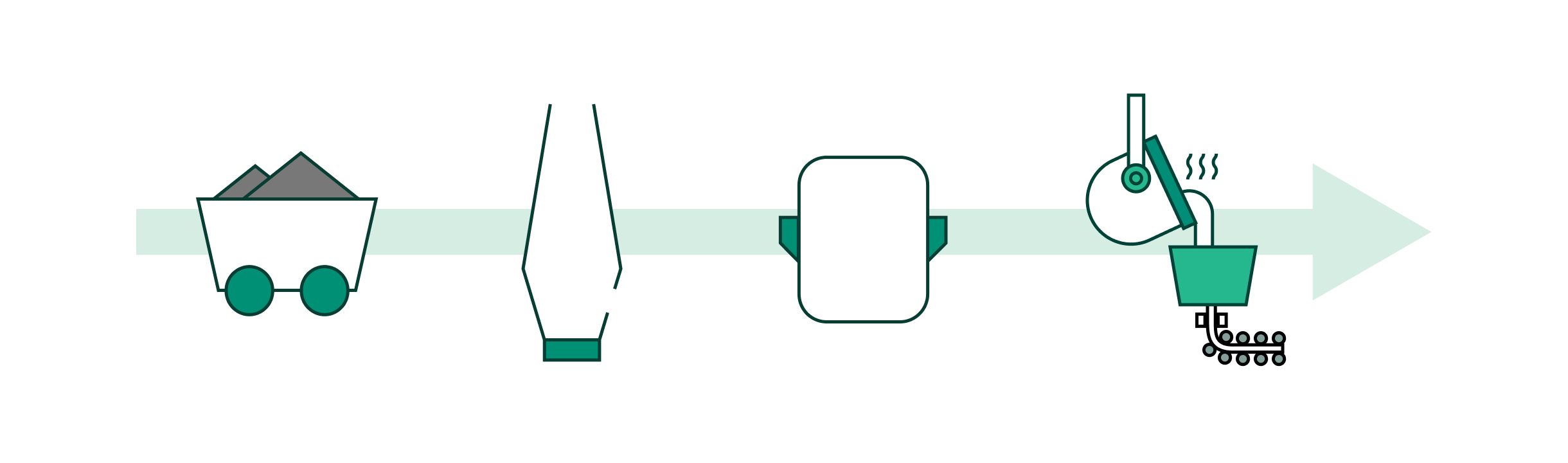
Steel production in a Blast Furnace (BF BOF)

blast_oven_furnace_1_1.jpg.jpg

Iron ore pellets and sinter feed are the iron-bearing raw materials. Coke from metallurgical coal is the main energy source. These elements and limestone are fed into the blast oven furnace from the top, while hot air is blasted from the bottom. The burning coke creates temperatures of ~2,000 °C, extracting hot metal (pig iron) from the raw material. The hot metal is transformed into steel through oxidation in a basic oxygen furnace (BOF). Often some scrap is added. The resulting liquid steel is then cast.

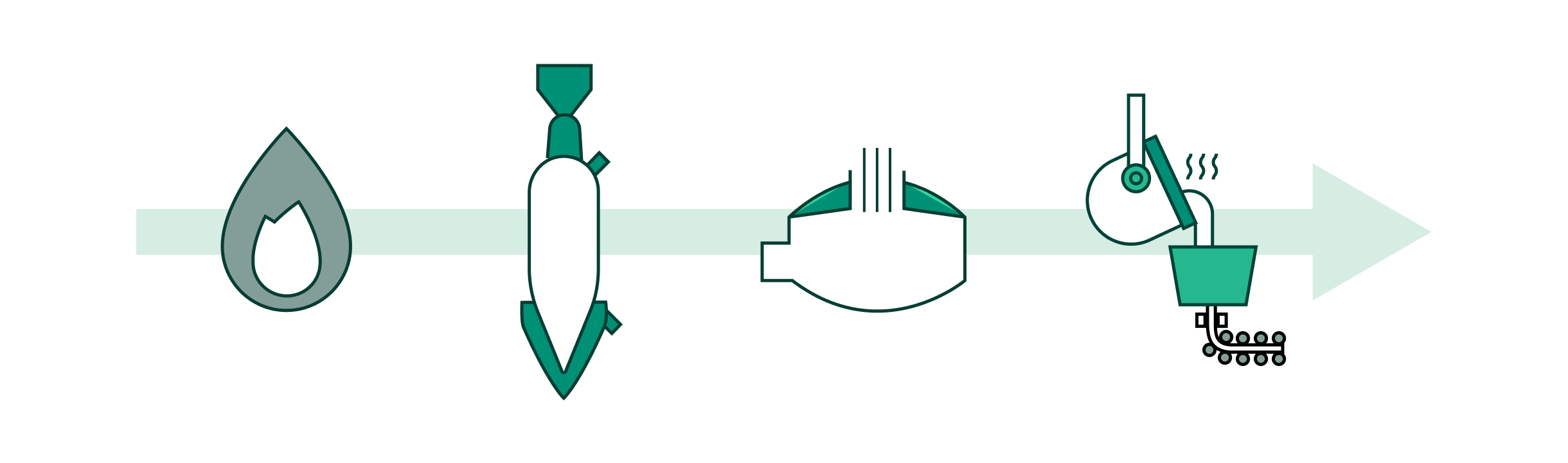
Steel production in an Electric Arc Furnace (EAF)

electirc_arc_furnace_1_1.jpg.jpg

Most EAF mills use scrap as their main input. In regions with competitive gas prices, direct reduced iron (DRI) may also be used. For direct reduced iron, iron ore and pellets can be reduced in a solid state for use in the EAF. Natural gas is typically used as a reductant. Scrap or direct reduced iron is melted in an EAF at around 3,000 °C. Graphite electrodes function as an arc to transform the electrical energy into heat.

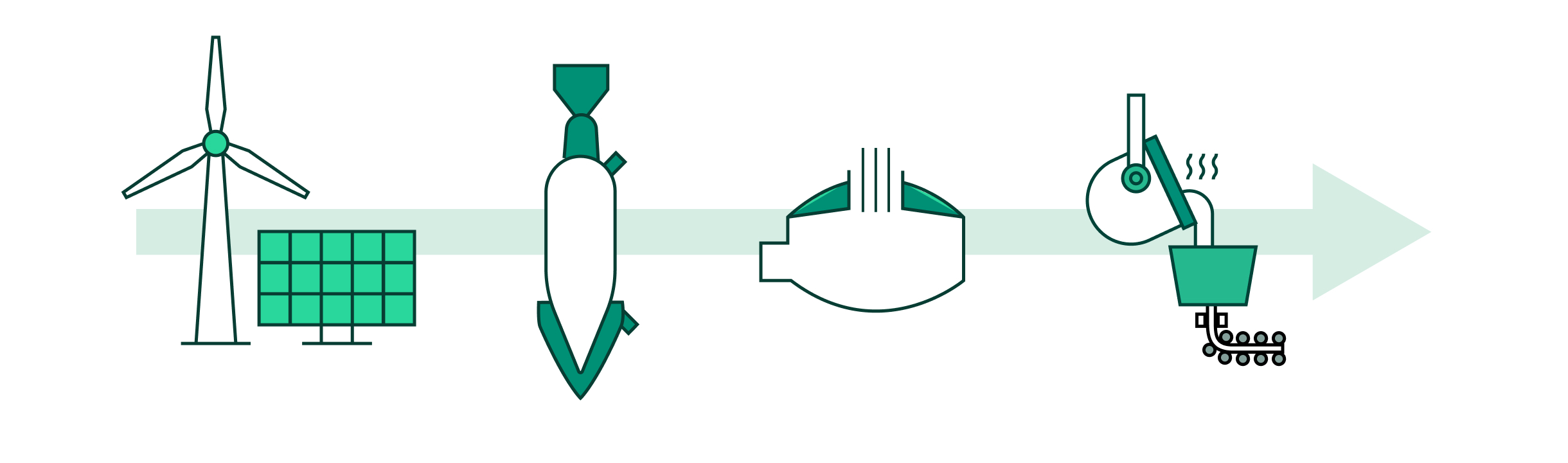
Direct Reduced Iron EAF

hydrogen_based_1_1.jpg.jpg

The future of steel is green – and there are two possible ways to get to green steel production. The first is steel from EAF production that uses 100% scrap and is powered with renewable energy. Given the finite amount of scrap, green steel production via this route is naturally limited. The second way is using green H2 as the reductant for direct reduced iron in an electric arc furnace pathway (see electric arc furnace). Beyond that, other alternatives for sustainable iron reduction are also being developed. 

Contact us

If you would like to buy Green Steel from us or learn more about Nexigen®, please send us a message below. We look forward to hearing from you!